 WebMail


7 warning signs your computer has been hacked — and what to do
Your antivirus will protect you from many online threats, but no antivirus is perfect. The truth is that your PC can still be hacked even if you are using reputable security software with a solid track record.
When we talk about your computer possibly being “hacked,” we mean exactly that: a cybercriminal has gained access to your computer and compromised it in some way.
The hacker in question may be a criminal organization installing malware on millions of PCs (for example, to spy on you and steal your credit card numbers), or the hacker may be using a remote access Trojan ( RAT) can be used by an individual. You through your webcam.
Here are some common warning signs that your computer may have been hacked, exposing your personal data and system resources.
Is there any fish? Run an antivirus scan.
First things first: If you're concerned that your computer has a virus or other type of malware, you should run a scan with an antivirus program — ideally our Choose the recommended antivirus software..
You should also consider using free. Norton Power Eraser (or a similar device). Such tools will reboot your computer into a special scanning environment outside of Windows so that they can Find and remove malware. Similar to rootkits that usually escape detection.
You may have already scanned. If your scan didn't find anything wrong but you're still concerned, I recommend getting a second opinion.
Also, let's explore the real signs that you might have a problem with viruses, worms, rootkits, keyloggers, Trojans, cryptominers, ransomware, or other dangerous malware on your Windows computer.
More like this: What to know about ransomware before it's too late
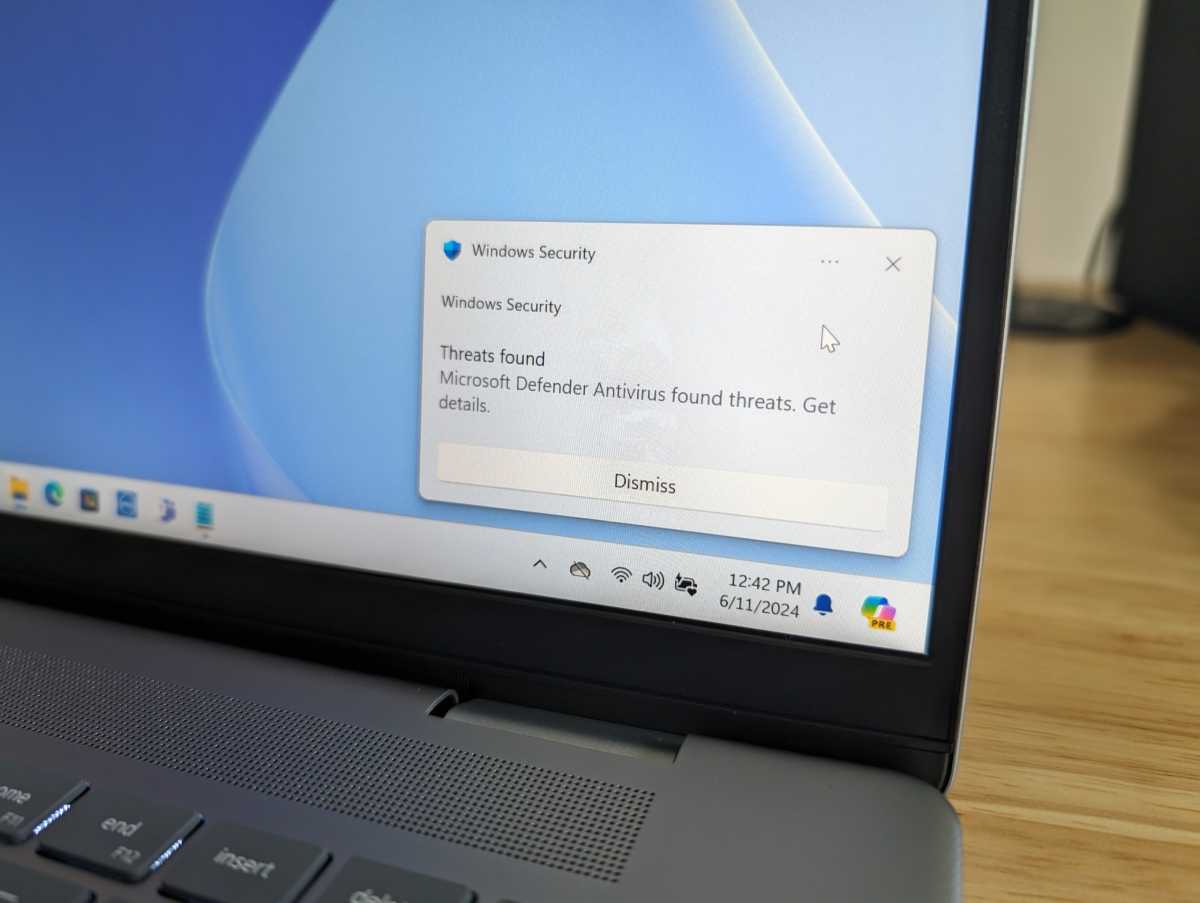
1. Antivirus warnings and other messages
Chris Hoffman / IDG
Chris Hoffman / IDG
Chris Hoffman / IDG
Alerts from your antivirus – whether it is Windows Defender Antivirus An antivirus — either built into Windows itself or another one you've installed — could be a sign that an attacker has gained access to your computer.
If you see a lot of notices about viruses or other malware, that's a real sign. Some is wrong. Even if your antivirus keeps insisting that the malware has been removed, if it keeps happening, you should be suspicious.
It's possible that your antivirus is only doing a partial cleanup. Whoever hacked your system may have steps on your system that your antivirus software isn't catching.
Meanwhile, strange messages that your antivirus is disabled are also a problem. The attacker who hacked your computer disabled your antivirus to prevent it from getting in the way.
2. The webcam light mysteriously turns on
If your computer's webcam light is always on and you don't know why, it's a big problem and you should find out why. If you can't figure out the cause, a hacker may be involved.
If someone is using a Remote Access Trojan (RAT) or some other type of malware that spies on you through your webcam, you'll usually see a webcam light indicating this. that the camera is in use. (Some laptops and PCs don't have webcam lights, but they can still show you that your webcam is in use with a system tray icon.)
You can see which applications are using your webcam from your computer's Settings app, but unfortunately, malware can hide from that list.
It's also possible that you've left a video conferencing app running in the background, of course—and that's something you'll want to know about, too! Here is one A guide to controlling your webcam privacy.
3. Abnormally slow performance
If your computer has been hacked and is running malware, you may experience slow performance. Applications can take a long time to open, web pages can take a long time to load, and things can feel sluggish.
This can happen if you have a lot of malware running on your computer or you have a specific type of malware that is eating up your system resources. For example, crypto-mining malware can use all your CPU and GPU resources to mine cryptocurrency, slowing everything down to a crawl.
You can dig into the Windows Task Manager to see what's using up resources, but Windows has a lot of legitimate background processes that can use up a lot of system resources. For example, things can slow down when installing updates.
So, if performance seems slow and your computer is crunching on something in the background, it doesn't necessarily mean you have malware—but it's definitely worth looking into.
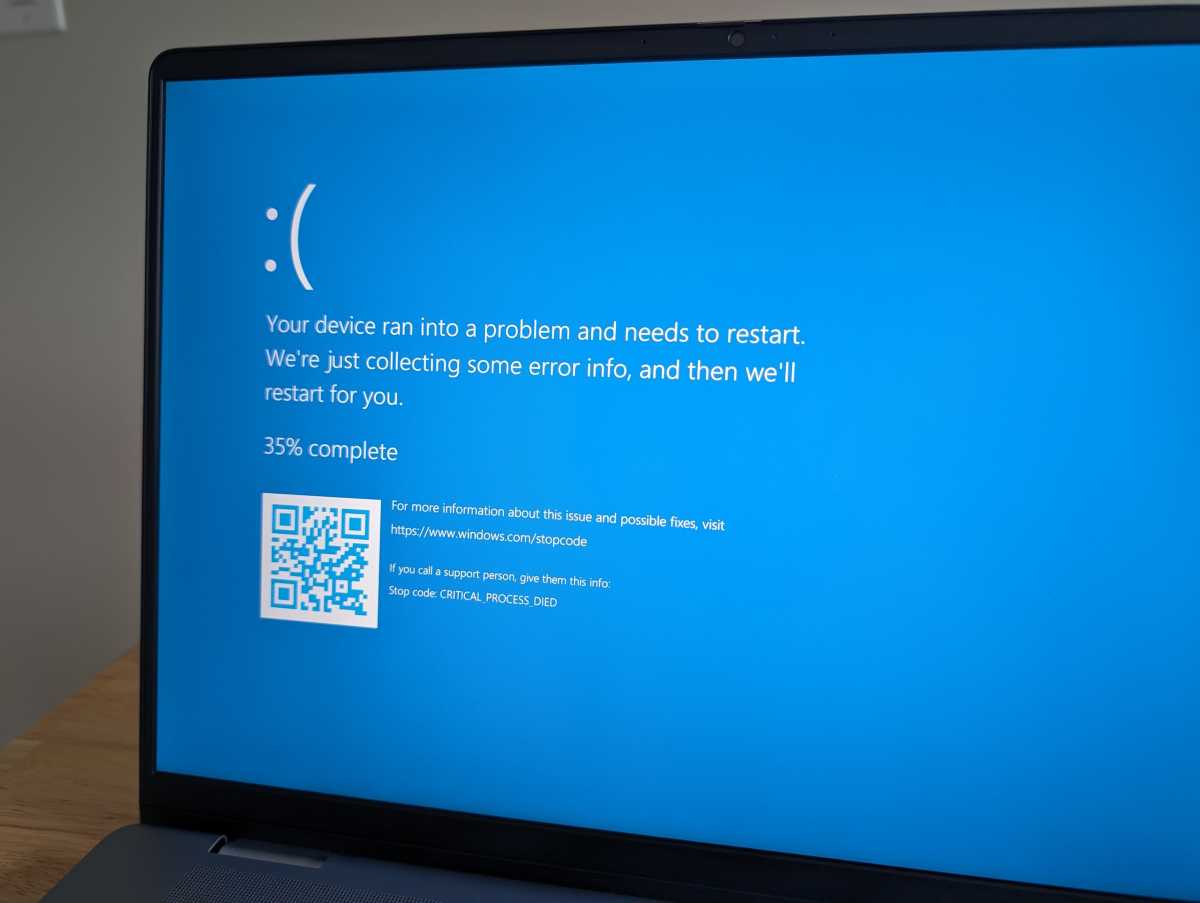
4. The computer freezes and the application crashes.
Chris Hoffman / IDG
Chris Hoffman / IDG
Chris Hoffman / IDG
If Windows keeps freezing or your apps keep crashing, that's another sign that something isn't quite right.
Malware that digs deep into the Windows operating system can install drivers or interfere with the Windows kernel, which can cause system instability in the form of blue screens, crashes, and freezes. It can also interfere with the applications you use, causing them to crash.
Although this is not fool proof that your computer has been hacked. Blue screens can be caused by hardware issues and application crashes can be caused by the application itself. But if you can't figure out the root cause, malware should be on your radar.
5. Strange applications and pop-ups
If you're getting a lot of strange pop-ups (like browser pop-ups) or other strange, unexpected applications, it could be a sign that someone has access to your computer. In person or just malware running in the background—that junk is installing itself on your computer. PC
Of course, this is also no way to know for sure. PCs often come with many manufacturer-installed applications that you may not recognize, and some applications that you use may create pop-ups.
Text-mode command prompt window pop-ups appearing and disappearing quickly should be suspicious, but some legitimate applications create such pop-ups when installing updates.
6. Changes to the browser's homepage, search engine, or extensions
Adware, spyware, and other “junkware” (junk software) have historically been known to take over web browsers.
When they do, these nasty forms of malware can change your browser's homepage and default search engine to generate more advertising revenue. They may also install browser extensions to spy on your web activity, collect information and insert more ads into web pages.
If your browser has strange changes like this, it's a sign that your computer might be compromised in some way. You can reset your browser, but it's also a good idea to run a deep scan to root out malware.
7. Strange emails being sent and received, password changes, and more
Hacks aren't just about accessing your computer. Hackers also want access to your various online accounts.
One of the most common ways accounts are “hacked” doesn't even involve hacking a computer. An attacker can discover the password you use—perhaps a password you reuse everywhere—that was leaked in a data breach.
Then, the attacker uses your username and password combination to see if they can access your other accounts. If the service allows an attacker to log in with your leaked credentials, they've essentially hacked your account. she is Why is password reuse so dangerous? And Why enabling two-factor authentication is so helpful?.
If you notice strange emails being sent and received, or if your account passwords are suddenly reset, it could be the result of a hack. Someone with access to your computer (or someone who knows your passwords) can gain remote access to your accounts.
If the malware scans come back clear and your computer seems safe, but you're still seeing strange things like this, it's a good idea to change your passwords.
Be careful and trust your gut.
Chris Hoffman / IDG
Chris Hoffman / IDG
Chris Hoffman / IDG
To be clear, this is not an exhaustive list. There may be other warning signs of hacks and/or malware. What's even scarier is that a particularly well-executed hack may leave no trace.
A sophisticated attacker does not want to be seen at all. They want to quietly spy on you and steal important data, and they're doing their best to make sure that their hack doesn't affect your computer in any noticeable way so they can be found out. Couldn't walk. This is a big difference from bog-standard malware that will be happy to waste your computer's resources just to get some cryptocurrency.
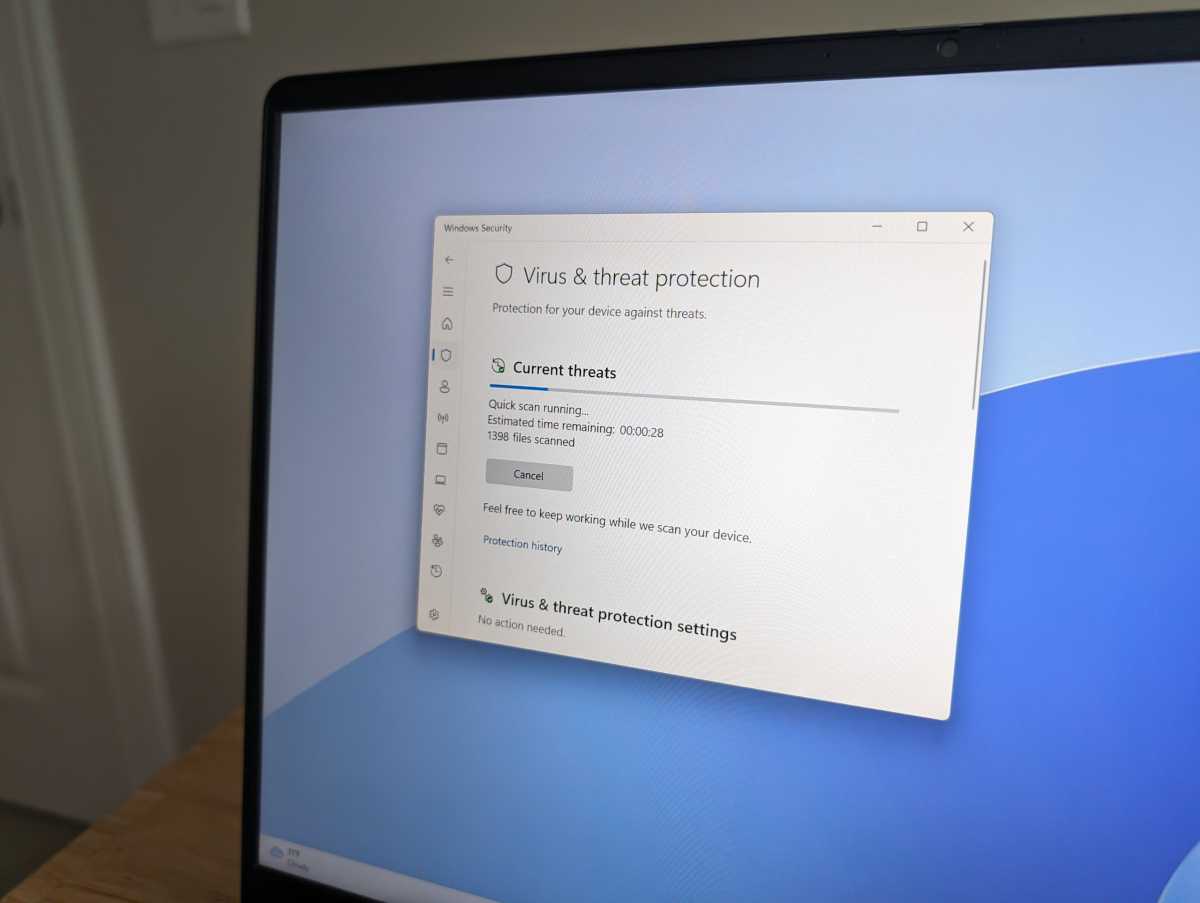
Ultimately, the best answer is to trust your gut. If something looks amiss, run a scan with the various antivirus programs we recommend.
If nothing comes up and you're still worried, consider Reset your PC. It's basically like reinstalling Windows — you get a “factory default” setup and can reset everything. This process will remove any malware or other hacker tools that may be lurking on your system, but you'll have to reinstall the programs you used and reset things afterwards. Still, it's a small price to pay for peace of mind.
Want more PC advice? Subscribe to me. Free Windows Intelligence Newsletter All the latest tips, tricks, and news delivered straight to your email inbox.


